If you’re searching for the best SME Data API in Nigeria, you’re likely building (or scaling) one of these:
- A VTU / bill payment platform
- A fintech app that wants data vending as a feature
- A WhatsApp/Telegram vending automation workflow
- A reseller business that needs reliable delivery and clean reporting
- A product team trying to reduce failed orders, refunds, and angry customers
This year, “best” doesn’t mean “cheapest.” It means reliable delivery, clear plan codes, strong observability (requery + logs), and an integration flow that won’t collapse under volume.
This guide breaks down:
- What an SME Data API actually is
- SME vs gifting vs direct data (so you don’t sell the wrong thing)
- The integration flow you should implement (variation codes → purchase → requery → webhook)
- A practical comparison of common provider types in Nigeria
- A checklist to pick the right API for your use case
Summation
If your priority is developer experience + scalable multi-service billing, start by looking at bill-payment API providers with strong documentation and a predictable REST pattern (variation codes, purchase, transaction requery). For example, VTpass positions its API as a RESTful interface for integrating bill payment services into your application, with a structured doc set (including “Buying Services” and “Transaction Status Requery”).
If your priority is a focused SME-data reseller API, some SME-only platforms publish simpler GET-based APIs with tokens, JSON responses, and requery/webhook features (a “thin” integration). SMEDATA.NG, for example, documents a base URL, GET requests, token usage, JSON responses, and mentions webhook and requery availability.
If you want a broader “VTU API” style interface (airtime/data/cable/electricity) with wallet, variations, purchase, requery, and webhook-like status updates, providers like VTU.ng explicitly describe a RESTful interface with endpoints for wallet balance, service options, order checks, and webhook alerts.
You should still validate pricing, uptime, and support responsiveness yourself—because those are operational realities that shift over time.
What is an SME Data API?
An SME Data API is an integration that allows your app/website/bot to programmatically vend discounted data bundles (usually “SME” or “corporate” routes) by sending API requests with:
- Network
- Recipient phone number
- Plan/variation code
- Auth credentials (key/token)
- Optional reference/transaction ID
A well-designed SME Data API setup gives you:
- Instant or near-instant delivery
- Automated confirmation (webhook and/or requery endpoint)
- Plan catalog (“variation codes”) so you always vend valid bundles
- Transaction logs for reconciliation and refunds
SME vs Data Gifting vs Direct Data
This distinction matters because it affects pricing, delivery method, customer expectations, and failure modes.
A practical way to think about it:
- SME data: typically cheaper, business/reseller oriented, often routed via dedicated “sharing” systems and can be automated through USSD or APIs.
- Data gifting: consumer/retail feature for personal sharing; usually tied to standard retail bundles and retail pricing.
- Direct data: standard consumer bundles.
One explanation widely used in the VTU ecosystem: SME data is cheaper and reseller-focused, while gifting is retail-based and commonly managed through consumer channels (USSD/app).
Operational tip: Some reseller communities also note that balance confirmations and sender IDs can differ depending on the data route (useful for customer support scripts).
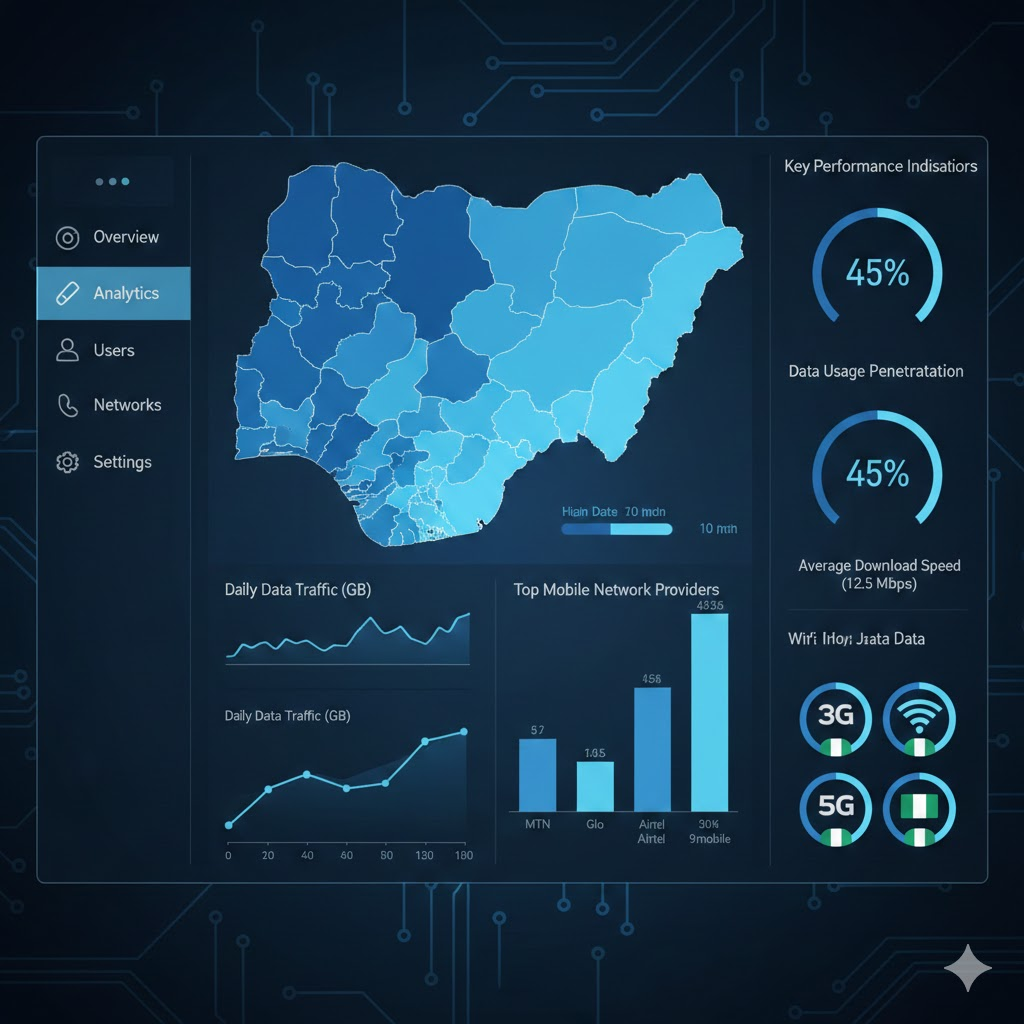
How SME Data APIs work
If your goal is low failure rate and clean reconciliation, don’t implement “purchase only.” Implement the full flow:
1) Get plan catalog (variation codes)
Good providers expose plan lists as variation codes (plan IDs) so you don’t hardcode bundles that later change.
VTpass, for example, documents “Get Variation Codes” endpoints for SME plans (e.g., 9mobile SME data) and provides both live and sandbox endpoints.
2) Purchase using variation code
You submit a purchase request referencing the chosen variation code and recipient number.
3) Handle the response
You must treat “instant success” and “pending” differently. Some providers will confirm success only after the downstream delivery is completed.
4) Requery transaction status
You should build a background worker that requeries any transaction that is pending/unknown after a short interval.
VTpass documentation explicitly includes “Transaction Status Requery” as a core part of its API documentation structure.
5) Webhooks (optional but ideal)
A webhook lets the provider notify your system when status changes. Some APIs explicitly mention webhook availability (e.g., SMEDATA.NG references webhook and requery).
And some VTU API providers describe webhook alerts for status changes.
Related: 5 Best Data Reselling Apps and Websites in Nigeria
What makes an SME Data API
Use this checklist to choose quickly and avoid expensive mistakes.
A) Coverage: networks + data routes
- MTN + Airtel + Glo + 9mobile coverage (if your customers are broad)
- SME vs gifting vs direct bundles available
- Ability to fetch plan variations programmatically
B) Reliability primitives (non-negotiable)
- Variation codes endpoint
- Purchase endpoint
- Transaction requery endpoint
- Consistent response codes
- Idempotency support (or at least stable transaction references)
- Webhooks (strongly preferred)
C) Developer experience (DX)
- Clear authentication steps
- Sandbox environment
- Example payloads
- Error code mapping
- Good docs navigation
VTpass exposes a structured documentation set (getting started, authentication, buying services, requery).
D) Operations and reconciliation
- Wallet balance endpoint
- Transaction logs (downloadable/exportable)
- Clear dispute/refund process
- Support responsiveness
E) Security
- HTTPS
- Key/token management
- IP whitelisting (or request signing)
- Secure webhook validation
Related: 7 Easy Ways to Get Free Data on MTN (2025 Guide)
Best SME Data API in Nigeria
Rather than claiming one “#1,” here’s a practical breakdown of provider categories you’ll see in Nigeria.
1) Bill payment APIs that include data
If you’re building a super-app / fintech / VTU platform and you want more than data (airtime, bills, cable, electricity), bill payment APIs are often the most scalable choice.
VTpass, for example, positions its API as a RESTful API for integrating bill payment services and lists airtime and data bundles as available services.
It also documents SME data subscription flows (e.g., 9mobile SME and Glo SME), including variation codes, purchase, and status query steps.
Best for: apps, marketplaces, and products that want stable documentation + broader service coverage.
2) VTU-style APIs with multi-service endpoints
Some providers market a “VTU API” bundle—wallet, variations, purchase endpoints, requery, and webhook-style alerts.
VTU.ng explicitly describes its VTU API as a RESTful interface for airtime, data plans, electricity, cable, etc., including endpoints for wallet balance, variations, purchase, and requery, and mentions webhook alerts about status changes.
Best for: reseller-heavy systems where you want many product types under one API umbrella.
3) SME-focused reseller APIs
Some SME platforms publish “thin” APIs: simple authentication, GET requests, JSON responses, limited endpoints.
SMEDATA.NG’s documentation describes a live API base URL, basic authentication token usage, GET request methods, JSON responses, and mentions webhook/requery.
Best for: fast MVPs, WhatsApp/Telegram automation, or vendors who want minimal engineering overhead.
4) Direct telco/business solutions
If you’re not vending to the public, and you simply want to provide data for staff, some telcos offer business data-sharing products.
For example, MTN Business describes “Group Data Share” as a way for organizations to provide a large data bucket for staff and control data spend.
This is a different use case from reseller SME vending.
Best for: internal corporate provisioning (not a reseller business).
SME Data pricing this year
Pricing is the most manipulated part of SME data marketing. Instead of trusting “₦X per 1GB” claims, use a method that’s harder to fake:
- Pull live variation codes via the provider API (where available).
- Compare:
- Variation price
- Convenience fees (if any)
- Failure rate (refund friction is “hidden pricing”)
- Monitor real metrics:
- 7-day success rate
- Median delivery time
- Refund turnaround time
VTpass variation code endpoints explicitly return plan names and amounts for SME data plans in their documented response structures.
Integration blueprint (recommended implementation)
This is the architecture that prevents the usual reseller pain: “it deducted but didn’t deliver.”
Step 1: Build your data model
You need a transactions table with fields like:
reference(your unique ID)provider_reference(their ID)service(e.g., data_sme)networkvariation_codephoneamountstatus(pending/success/failed/reversed)created_at,updated_at
Step 2: Implement plan sync (variation codes)
- Nightly job to refresh variation codes
- Cache them in your DB
- Display only valid bundles in your UI
Step 3: Purchase
- Submit purchase request
- Store provider reference
- Set status
pendingunless provider confirms final delivery
Step 4: Requery worker
- Requery after 30–90 seconds if pending
- Requery again at 5 minutes if still pending
- Auto-resolve to success/failed based on provider response
VTpass includes “Query transaction status” in the SME flow it documents.
Step 5: Webhook handler (if supported)
- Verify signature (or shared secret)
- Update transaction status
- Trigger customer notification
Some APIs explicitly mention webhook availability (e.g., SMEDATA.NG; VTU-style APIs also mention webhook alerts).
Common SME Data API issues
1) Wrong plan codes / outdated bundles
Cause: hardcoding plans instead of pulling variation codes.
Fix: always pull variations from the provider endpoint when available.
2) “Success” response but customer didn’t receive data
Cause: async delivery or delayed downstream routing.
Fix: treat first response as “acknowledged,” then confirm final state using requery.
3) Customer confusion: SME vs gifting expectations
Cause: customers expect retail notifications or retail validity behavior.
Fix: educate customers on the route you sell and provide a standard “how to check balance” script, since verification workflows can vary by route and network.
4) Support load spikes (“I didn’t get it”)
Fix: build:
- in-app order tracking
- automatic requery updates
- proactive “pending → delivered” notifications
Security best practices
- Never expose API keys in frontend code
- Use HTTPS only
- Rotate keys where possible
- Restrict by IP if supported
- Store webhook secrets securely
- Log request/response metadata (not secrets)
If you integrate telco-facing developer platforms, follow their standard key issuance process (register app, access keys) and keep secrets server-side.
Who should use an SME Data API?
An SME Data API is best for:
- VTU platforms and bill payment apps
- Data resellers (web, mobile, bot)
- POS/agent networks
- Schools or orgs offering subsidized data to staff/customers
- Fintechs bundling “data + payments” in one experience
If you’re only buying for yourself or a small team, a consumer bill-payment product may be simpler than building an API integration.
Final verdict
The best SME Data API in Nigeria in this year is the one that gives you:
- Stable integration flow (variations → purchase → requery → webhook)
- Clear documentation and sandbox tooling (if you’re building a real platform)
- Operational visibility (wallet, logs, reconciliation)
- Low failure rates (because refunds and disputes destroy margins)
As you shortlist providers, prioritize documentation quality + reliability primitives over marketing pricing tables.